
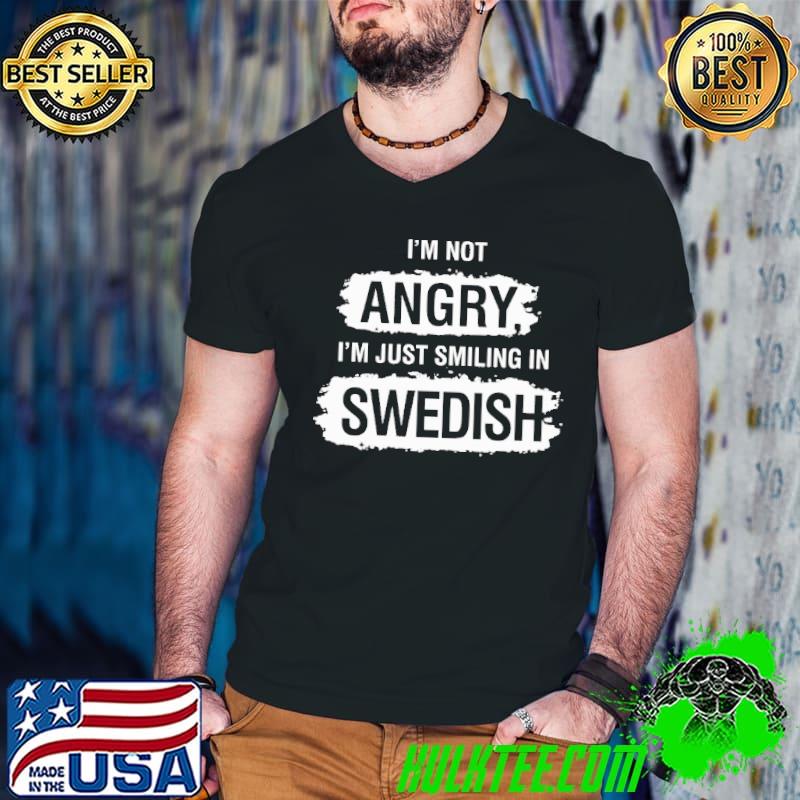
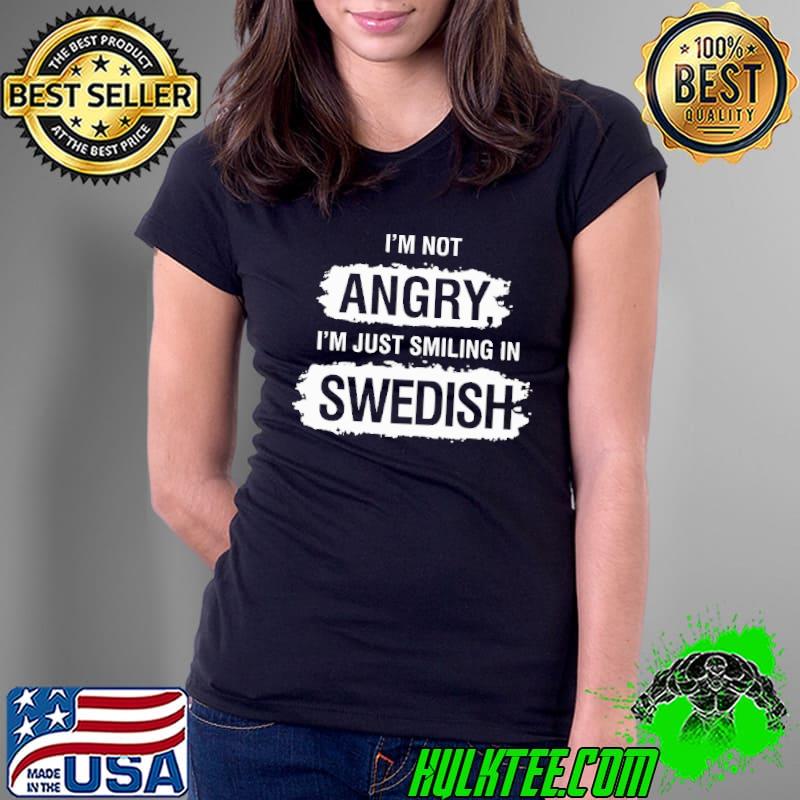
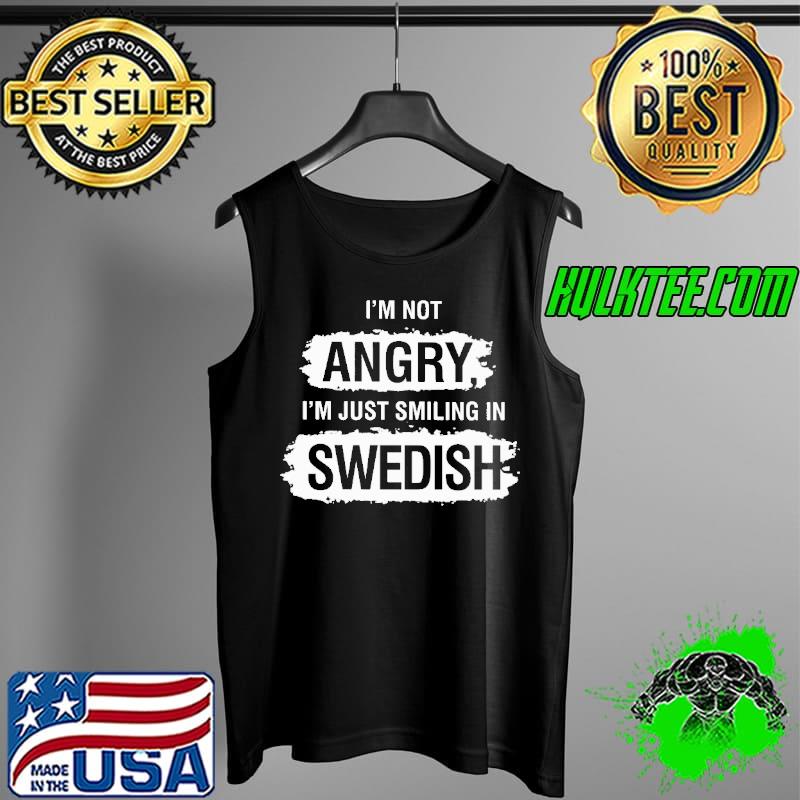
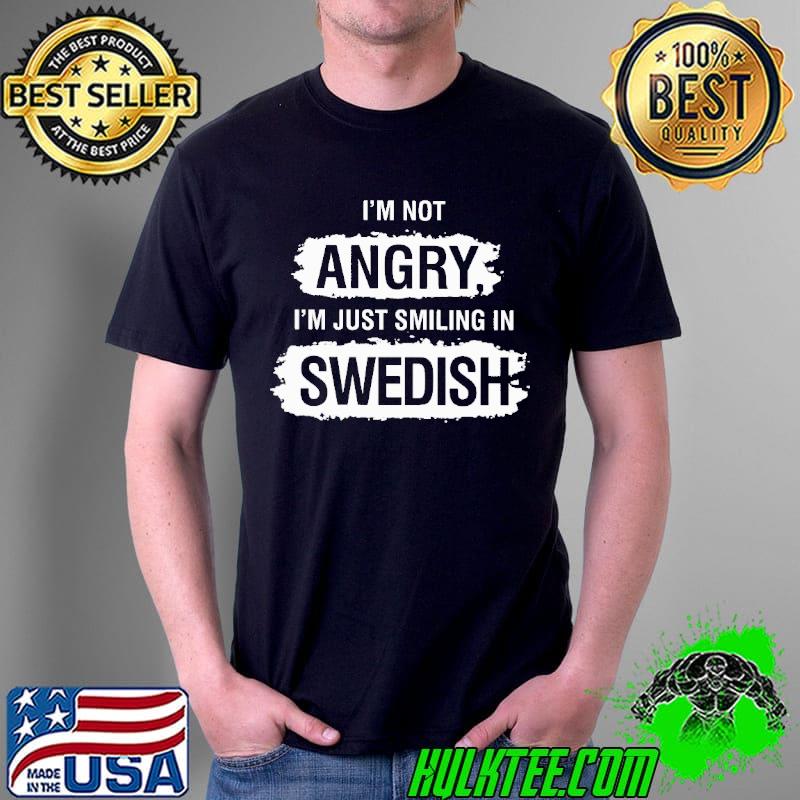


Fabric Material:
- 100% Certified Organic Cotton ring-spun jersey
- Light fabric (5.3 oz/yd² (180 g/m²))
- Runs true to size
6 Easy Step To Grab This Product:
- Click the button “Buy this shirt”
- Choose your style: men, women, toddlers, …
- Pic Any color you like!
- Choose size.
- Enter the delivery address.
- Wait for your shirt and let’s take a photograph.
Shipping:
It takes 1-3 days to fulfill an order, after which it’s shipped out. The shipping time depends on your location, but can be estimated as follows: USA: 2-7 business days International: 10-20 business days. Available Size: XS, S, M, L, XL, 2XL, 3XL, 4XL, 5XL Available Color: Black, Cardinal Red, Forest Green, Gold, Navy, Royal, Sport Grey, White…STORAGE INSTRUCTIONS:
Do not use detergent containing chlorine, Do not use detergent, Drying, normal temperature, low heat. Regular ironing can be done by steam or dry ironing, and ironing cannot be more than 110 degrees Celsius. Delivery Your order will be printed exclusively for you within a few days. If you are in the US, Canada or Europe, you will receive your order within 3-7 business days after printing is complete. For all other countries, please allow between 10-14 business days. And you wanna design your own shirt by yourself for your team, your group or your family, you can sent us your design to gmal address [email protected].. We will make it for you. This shirt the official design from Hulktee.com. Available for T-shirt, hoodie, tank top, long sleeve, sweater, youth tee, onesie for men and women. Have a nice day!| SHIPMENT METHOD | PROCESSING TIME | ESTIMATED DELIVERY TIME | SHIPMENT COST |
|---|---|---|---|
| Domestic US | 1-3 business days | 2-5 business day | USA First Hoodie or Sweat: $8 Additional Hoodie or Sweat: $2 First Shirt: $5 Additional Shirts: $2 |
| International | 2-5 business days | 10-20 business day | International Hoodie or Sweat: $10 Shirt: $8 |
| SHIPMENT METHOD | PROCESSING TIME | ESTIMATED DELIVERY TIME | SHIPMENT COST |
|---|---|---|---|
| Domestic UK | 1-3 business days | 2-5 business day | UK First Hoodie or Sweat: $8 Additional Hoodie or Sweat: $2 First Shirt: $5 Additional Shirts: $2 |
| Europe | 1-3 business days | 10-20 business day | Europe First Hoodie or Sweat: $8 Additional Hoodie or Sweat: $2 First Shirt: $5 Additional Shirts: $2 |
The first time I got a tattoo, I was 19. On my own in Berlin for the I’m Not Angry I’m just Smiling In Swedish Shirt also I will do this summer and palpably lonely, I swayed into the door of the local tätowierung shop in the airy, tree-lined neighborhood I was living in as a nanny, drawn helplessly to the sight of people around my age talking, laughing, and sipping Club-Mate. As I sat down and presented my ankle to be inscribed with Cyrillic text, the mix of nerves and excitement temporarily crowded out my homesickness and discomfiture. I couldn’t chitchat with the tattoo artist in my broken German, but he didn’t seem to care, expertly swabbing my skin before beginning a process I was surprised to find more uncomfortable than actively painful. For about 20 minutes, in that artist’s chair, I felt like I belonged.Seven years later, in August 2020, I was lying on another tattoo artist’s chair—this one in Crown Heights, Brooklyn—as he inked a swirl of blues, yellows, and greens into my thigh to form the shape of a mussel. I was in my own city this time, with many of my friends a mere 10-minute walk away, yet loneliness still haunted me; I’d spent the preceding five months alone in upstate New York, trying not to complain about my solitude when I knew how lucky I’d been to escape the COVID-19 pandemic with my health, job, and housing secure. I’d become something of a stranger to myself in those five months, my body growing and changing as an erstwhile eating disorder reared its head again; my stomach was bisected with angry-looking red and purple stretch marks that I had to work very hard to accept, and I sought out my mussel tattoo as a way of reclaiming what suddenly felt unfamiliar and out of control.Those are just two of the times tattooing has briefly saved me, providing me with an alternate script for how I saw my identity, my body, and my physical and spiritual presence in the world. Coming out as queer at 24 rocked my understanding of who I was to the core; suddenly, I had new friends, new dates, new clothes, and a whole new way of looking at myself, and when it came to feel somewhat overwhelming, I’d save up my money and schedule a tattoo appointment, letting the prick of the needle turn my body into something that felt like home. Most recently, a tough-looking man around my age (heavily inked himself) tattooed an overtly sapphic Egon Schiele sketch into my upper arm before I went to meet friends at the reopening of Cubbyhole; before long, I was giving him a brief history of the city’s few remaining lesbian bars, enjoying the reliable—if momentary—camaraderie that comes with trusting someone to permanently alter your appearance.Unfortunately, this sense of trust isn’t always the norm for LGBTQ+ tattoo aficionados. Queer tattooing has been described as a “chosen family,” formed partly in response to the often white, cisgender, and heteronormative face of mainstream tattoo culture; anecdotally, I can attest that almost every queer person I know has at least one tattoo, yet too often, we still think of tattooing as an art practiced by and for cis men. When I speak to Tann Parker, the 29-year-old founder of Ink the Diaspora, a tattooing platform created to challenge colorism in the tattoo industry, they’re very clear about what they see as the industry’s barriers for members of the LGBTQ+ community, and queer and trans people of color in particular: “It’s like, ‘No, look at this body like you’re about to tattoo.’ I feel like a lot of cis men don’t want to be told, ‘Oh, you need to be gentler; you need to be more thoughtful and caring about how you interact,’ especially when it comes to tattooing. It’s such a weird masculine thing to associate pain with tattooing right off the bat.”Samantha Robles, also known as Cake, is a 31-year-old artist who got her first tattoo at age 15 and began tattooing at 18. Since then, she’s noted many instances of casual transphobia and homophobia in tattoo shops, which led her to open a Coney Island studio designed specifically for women and members of the LGBTQ+ community. “[Tattooing] is a very intimate experience, you know?” Robles notes. “You’re showing parts of your body, you’re spending a bunch of hours with this one person and putting a lot of trust in them, and you’re vulnerable, so you just always want to feel good from the beginning to the end of that experience.”While LGBTQ+-friendly tattoo shops can provide a haven from toxic masculinity, they do so much more than that; often, they help people discover aspects of their own queer identity, even if they happen to be the ones holding the needle. “It just felt like the people I was drawn toward when I started tattooing were queer, and they were doing their own thing. I think doing your own thing is queer in and of itself,” muses Ella Sklaw, 25. “When I was getting started, the first person who ever showed me how to set up a tattoo machine was, their name is Buck, and their Instagram is @bigolebrat. The people walking in my door were queer, trans, nonbinary; when I started tattooing, I didn’t really know that I was queer, and when I did get to that, it changed the whole world for me. Having young queer people who were living these queer lives in their queer bodies, walking through my door and asking me to give them more tattoos—that was what showed me my own queerness.”View on InstagramUltimately, even the most meaningful of tattooing practices may not change the lived reality of many LGBTQ+ people; queer and trans people of all genders, races, and ethnicities still struggle with housing and employment discrimination, increased risk of violence, higher suicide rates, and a host of other vital issues. Still, the practice of queer tattooing provides a possible glimpse at what queer identity could look like outside of all that trauma. What if we allowed LGBTQ+ people’s existences to be as bright, as beautiful, and as permanent as curving lines of multicolored ink adorning the body?
I’m Not Angry I’m just Smiling In Swedish Shirt, hoodie, tank top, sweater and long sleeve t-shirt
On a recent Friday morning, the I’m Not Angry I’m just Smiling In Swedish Shirt also I will do this artist Lucia Hierro was delayed joining our Zoom call. “Just dealing with a quick issue with install at the museum,” she explained via email. Not long after, she showed me what she meant: A work in “Marginal Costs”—her new exhibition at the Aldrich Contemporary Art Museum in Ridgefield, Connecticut—had, apparently overnight, slipped from the wall and onto the floor. “I’m glad that it was up yesterday while we gave a tour to the board members,” she said. “Today, we walked in and we were like, ‘Oh, okay. Yeah. We celebrated too soon.’”Its logistical complications notwithstanding—ultimately, Hierro had to extricate herself from the hanging mishap, joking, “They don’t pay me for that”—“Marginal Costs” marks her first solo museum show, and perhaps the most considered and comprehensive expression of her creative vision to date. (An accompanying publication will arrive from the museum this fall.) Staked on shapes and iconographies borrowed from Pop Art, minimalism, and the Dutch still-life tradition, “Marginal Costs” encompasses recent and new sculptures from Hierro’s Mercado series; the debut of the Gates, a commission from the Aldrich; and several sprawling wall murals. Taken together, her graphic, oversized pieces mine the boundary between objects and personal histories, economies and identities—especially as they pertain to marginalized communities caught in the crosshairs of gentrification.Hierro was born in New York to Dominican parents, spending her youth in the Washington Heights/Inwood area of Upper Manhattan. Hers was a musical household—her father kept a recording studio next to their apartment—but she began drawing, she thinks, because of her brother, who attended LaGuardia High School. Even then, Hierro’s art-making functioned as a way to connect; a means of making herself understood. While, at home, her mother would ask what she wanted to wear and sew whatever Hierro sketched; at school, her creativity helped to mitigate a stressful language barrier. “I was in ESL [English as a Second Language] as a kid, and my experience there was really negative. I was so scared all the time; I felt like I was doing something wrong [by] not speaking English,” she says. “But we would get reintegrated into the classroom for art classes, and I always really loved that because it was a time for me to also kind of flex that I really was good at this.”As a high-school senior, Hierro decided to pursue art formally, her confidence and know-how buttressed by free weekend art classes at the Cooper Union. “It’s kind of incredible, if you look at the history of art, how many young people—usually from low-income households and with very few art programs in their high schools—ended up [there],” she says. “The Saturday Program really does develop an amazing thing in introducing you to the rest of the Cooper Union college and [showing you that] this is a possibility, and this is where you could be.”She went on to study at SUNY Purchase College and then Yale, developing a foundation in the art-history vernaculars that would later inform her professional practice. She was taken with Pop Art, abstraction, minimalism, and the fastidious world-building of Dutch still-lifes. “I was really into those paintings because of the insistence that culture had on documenting its way of life, and also kind of a philosophy of life, which I thought was really interesting,” she says. (She has also drawn a line between those paintings and herself in darker terms, writing, “I often joked that the closest thing to Caribbean art history was found in Dutch still-life paintings, featuring the goods acquired from their conquests.”)So too was she attracted to the narrative power of collage: “It was self-referential—you could layer meaning,” she says. To manipulate fabrics like nylon, felt, and cotton bedsheets was to make her work’s frequent allusions to the domestic even more concise. “If I’m going to talk about home, or a concept of home in a neighborhood kind of setting, what’s more personal than a material that one wears, or sleeps in, or sits on?” she muses. “There’s an intimacy with that.”After Yale, Hierro found a studio in the South Bronx, where she now exists in a creative enclave that includes the likes of Jordan Casteel and Derek Fordjour. She began to build her Mercado series there, fashioning gigantic cotton totes and transparent shoppings bags filled with digitally printed facsimiles of grocery and drugstore items, newspapers, magazines, and flowers. (The series’ medium has been described as soft-assemblage, but don’t imagine objects with Claes Oldenburg–like volume; Hierro’s objects are principally silhouettes, hand-sewn by Hierro and her mother.)Amy Smith-Stewart, senior curator at the Aldrich, likens the bags and their contents to portraits: “They’re very much influenced by memories of people and places and associations that she has that are very personal.” (Six works from the series appear in “Marginal Costs.”) While in one iteration, Hierro has assembled the ingredients for sweet beans—or habichuelas con dulce—a traditional Dominican dessert, another is filled with Clorox wipes, vitamin C, flour, and butter; Hierro calls it the “COVID bag.” When I ask why imagery from The New Yorker so often appears in these carryalls—what that title means to her, particularly when it appears in combination with a carton of eggs, a new sponge, and fresh ginger—Hierro reflects on the duality of her own identity; her sense of existing both within the magazine’s sociopolitical milieu (as a graduate of Yale) and outside of it (as a Bronx-based child of Dominican immigrants). Indeed, central to the mission of the series at large is an interrogation of both the connections and the gaps between both cultures. As Hierro told i-D, “Mercado came at a time when I was thinking about my place as an artist within the capitalist framework…not being considered ‘American’ enough or ‘Dominican’ enough but refusing to be invisible, my own experience of the exchange of culture and goods between the two places.”Elsewhere in the show, Hierro’s wrought-iron Gates—a collaboration with Luigi Iron Works in East Orange, New Jersey—were inspired by the multifamily homes she would pass when she lived in the North Bronx. As she traveled between the Bronx Museum, where she was doing a residency, and her studio, she’d see front gates jammed with local supermarket circulars on Tuesdays and Thursdays. (In Gates, Hierro replicates the circulars on a larger-than-life scale.) The scene was similar but subtly different in the South Bronx, where the circulars would often sit out for days, growing yellow and soggy in the rain. “What you’re starting to notice,” Hierro says, “is an influx of younger couples with money, and they come in and they have no use for them.” Just like that, the circulars were becoming “relics.” (In a mural nearby, where she’s transposed photographic prints of fruit stands, shopping carts, and other sights from around her neighborhood onto transparent vinyl sheets and mounted them on the walls, Hierro identifies another modern relic: The gum-ball machine at a bodega. “Who has that much change anymore?” she wonders aloud.)Gates speaks to another important theme in “Marginal Costs” too—namely, the concept of invisible labor. Unless you’re up quite early, the people distributing those circulars—many of whom come from immigrant communities—go largely unseen, carrying their work out in obscurity. In homage to those workers and others like them, allusions to the body abound in Hierro’s show. Eschewing outright figuration, she has created forms that slouch and lean and take up space, confronting and implicating the viewer. “Even though you don’t see a specific face,” Smith-Stewart says, “that human condition is everywhere.”Between the Aldrich show, El Museo del Barrio’s 2020-21 triennial “Estamos Bien,” in which works from her Racks series—with its wonderful nod to Donald Judd’s Stacks—appear, and her new association with Charlie James Gallery, 2021 has been a banner year for Hierro. “It hit me the other day when I packed my show,” she says. “I had a moment when the studio was completely blank, and I sat there and I cried and I felt all of the things, because I hadn’t had a moment to take in all of it.” She has a lot of people to thank; some of which she already has in an effusive Instagram post. But, she adds, “There’s also a moment where I’m like, ‘Okay, I fucking earned this.’”“Lucia Hierro: Marginal Costs” is on view at the Aldrich from June 7 though January 2, 2022. See here for visiting information.
Be the first to review “I’m Not Angry I’m just Smiling In Swedish Shirt”
You must be logged in to post a review.
- Length from the highest point of the collar to the bottom hem.
- Chest straight across, armpit to armpit, with the shirt laid flat.
- Sleeve from the center back of the collar to the cuff.
| Size | Length | Chest |
|---|---|---|
| S | 2871 | 1846 |
| M | 2974 | 2051 |
| L | 3076 | 2256 |
| XL | 3179 | 2461 |
| 2XL | 3281 | 2666 |
| 3XL | 3384 | 2871 |
| 4XL | 3486 | 3076 |
| 5XL | 3589 | 3281 |
| Size | Length | Chest |
|---|---|---|
| S | 2564 | 1641 |
| M | 2666 | 1743 |
| L | 26.567 | 1846 |
| XL | 2769 | 19.750 |
| 2XL | 27.971 | 21.655 |
| 3XL | 28.572 | 22.758 |
| Size | Length | Chest |
|---|---|---|
| S | 2871 | 1846 |
| M | 2974 | 2051 |
| L | 3076 | 2256 |
| XL | 3179 | 2461 |
| 2XL | 3281 | 2666 |
| 3XL | 3384 | 2871 |
| Size | Length | Chest | Sleeve |
|---|---|---|---|
| S | 2666 | 2051 | 33.585 |
| M | 2769 | 2256 | 34.588 |
| L | 2871 | 2461 | 35.590 |
| XL | 2974 | 2666 | 36.593 |
| 2XL | 3076 | 2871 | 37.595 |
| 3XL | 3179 | 3076 | 38.598 |
| 4XL | 3281 | 3281 | 38.598 |
| 5XL | 3486 | 3384 | 38.598 |
| Size | Length | Chest | Sleeve |
|---|---|---|---|
| S | 2769 | 2051 | 34.588 |
| M | 2871 | 2256 | 35.590 |
| L | 2974 | 2461 | 36.593 |
| XL | 3076 | 2666 | 37.595 |
| 2XL | 3179 | 2871 | 38.598 |
| 3XL | 3281 | 3076 | 3999 |
| 4XL | 3384 | 3281 | 39.5100 |
| 5XL | 3486 | 3486 | 40102 |
| Size | Length | Chest | Sleeve |
|---|---|---|---|
| S | 2871 | 1846 | 33.585 |
| M | 2974 | 2051 | 3589 |
| L | 3076 | 2358 | 36.593 |
| XL | 3179 | 2461 | 3897 |
| 2XL | 3281 | 2666 | 39.5100 |
| 3XL | 3384 | 2871 | 39.5100 |
| Size | Length | Chest |
|---|---|---|
| S | 2769 | 1846 |
| M | 2871 | 2051 |
| L | 2974 | 2256 |
| XL | 3076 | 2461 |
| 2XL | 3179 | 2666 |
| Size | Youth size | Length | Chest |
|---|---|---|---|
| S | 6-8 | 20.552 | 1641 |
| M | 10-12 | 2256 | 1743 |
| L | 14-16 | 23.560 | 1846 |
| XL | 18-20 | 2564 | 1948 |
| Size | Youth size | Length | Chest |
|---|---|---|---|
| S | 6-8 | 2153 | 1743 |
| M | 10-12 | 22.557 | 1846 |
| L | 14-16 | 2461 | 1948 |
| XL | 18-20 | 25.565 | 2051 |






Reviews
There are no reviews yet.