How odd to celebrate someone for not being who we’ve been programmed to expect. But American entertainment worked hard on the mold that Cicely Tyson refused to fit. So, really, what we’ve been saluting all these decades was historic defiance. She died on Thursday, at 96, just after the release of “Just as I Am,” a juicy, honest, passionately Cicely memoir. (“Well, child, I’ll tell you: my mouth fell open like a broken pocketbook.”) And on the opening pages resides the truth about why, as a performer, she was the way she was.
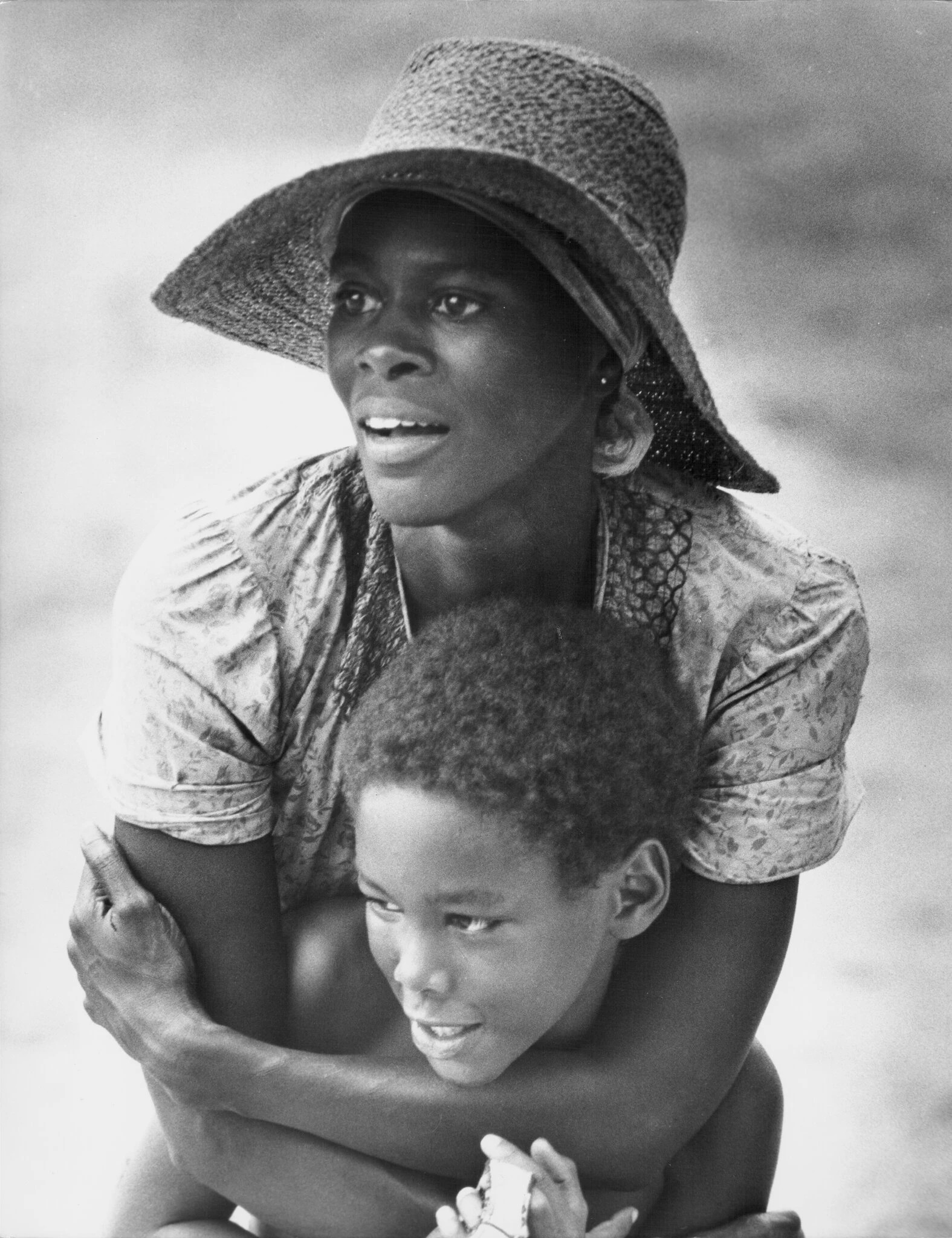 “My art had to both mirror the times and propel them forward,” she writes. “I was determined to do all I could to alter the narrative about Black people — to change the way Black women in particular were perceived, by reflecting our dignity.” Tyson made this vow in 1972, a few years after the assassination of the Rev. Dr. Martin Luther King Jr., at the dawn of the so-called Blaxploitation filmmaking boom that didn’t fulfill her. No hookers, no servants, no big bad mamas. Which meant that, for a woman dependent on an industry that trained its patrons to overlook a beauty as singular and angular and walnut-brown as hers, she’d essentially declared a hunger strike.
Alas, she would not be playing the most daring, out-there characters. And let’s face it: the great parts were always headed to someone whiter anyway. The more audacious move was to declare herself a moral progenitor, to walk with her head high so that Denzel Washington might become a man on fire and Viola Davis could learn how to get away with murder.
Tyson had a remarkable physical presence, someone sculpted as much as born. Her body was dancer lithe. She seemed delicate. But only “seemed.” She was delicate the way a ribbon of steel holds up its part of a bridge. The deceptive nature of her fineness was right there in the name. Cicely Tyson. Poise and punch.
Her mouth comprised an overbite, protruding front teeth and two full lips. The words she spoke brought with them a little extra breath, which, in turn, gave her an everlasting lightness that made us lean toward her so we wouldn’t miss whatever truth she was about to tell. She didn’t write the scripts, yet she never seemed to waste a word. How? And the way she spoke: with the erudite diction fragrant of both old showbiz and old Harlem. No Black woman had ever performed this reliably with this much elegance and surety. Of course, the mold being what it was, nobody had ever asked a Black woman to do any such thing. (Diahann Carroll appeared to be her sister in dignity.)
Tyson was a peculiar kind of famous. I was never told of her importance. I just knew. Everybody knew. This woman was somebody. She looked sainted, venerated — at 29, 36, 49 and 60. Even in anguish. It’s possible that happens once you’ve played a 110-year-old formerly enslaved woman in “The Autobiography of Miss Jane Pittman” and after you’ve played Kunta Kinte’s mother. Or maybe those roles happen because you radiate venerability.
She could act with her entire head yet scarcely move it at all. That’s her in most of “Sounder,” transfixing in her stillness. “Sounder” itself is a quiet, Depression-era movie, from 1972, built around Louisiana sharecroppers named Nathan and Rebecca Morgan, their three children and the family dog, Sounder. It’s foolishly lit. The night scenes are brightened by lanterns, which wouldn’t be my first choice for a movie with this much brown skin. Tyson spends a few scenes under a big straw hat that hides half her face.
For lots of actors this would be death, because they’re too vain to stand for it or lack what it takes to overcome that kind of obscurity. For that sort of actor it’s all in the eyes. Over four decades of watching this woman work, I discovered that her technique rarely relied on her eyes, although they could glitter and dance. Tyson was another sort of actor: a life force. She emanated and exuded: hurt, warmth, joy, suspicion, fear, hauteur, love — an ocean of love.
SOURCE : nytimes